
Waiting or Living?
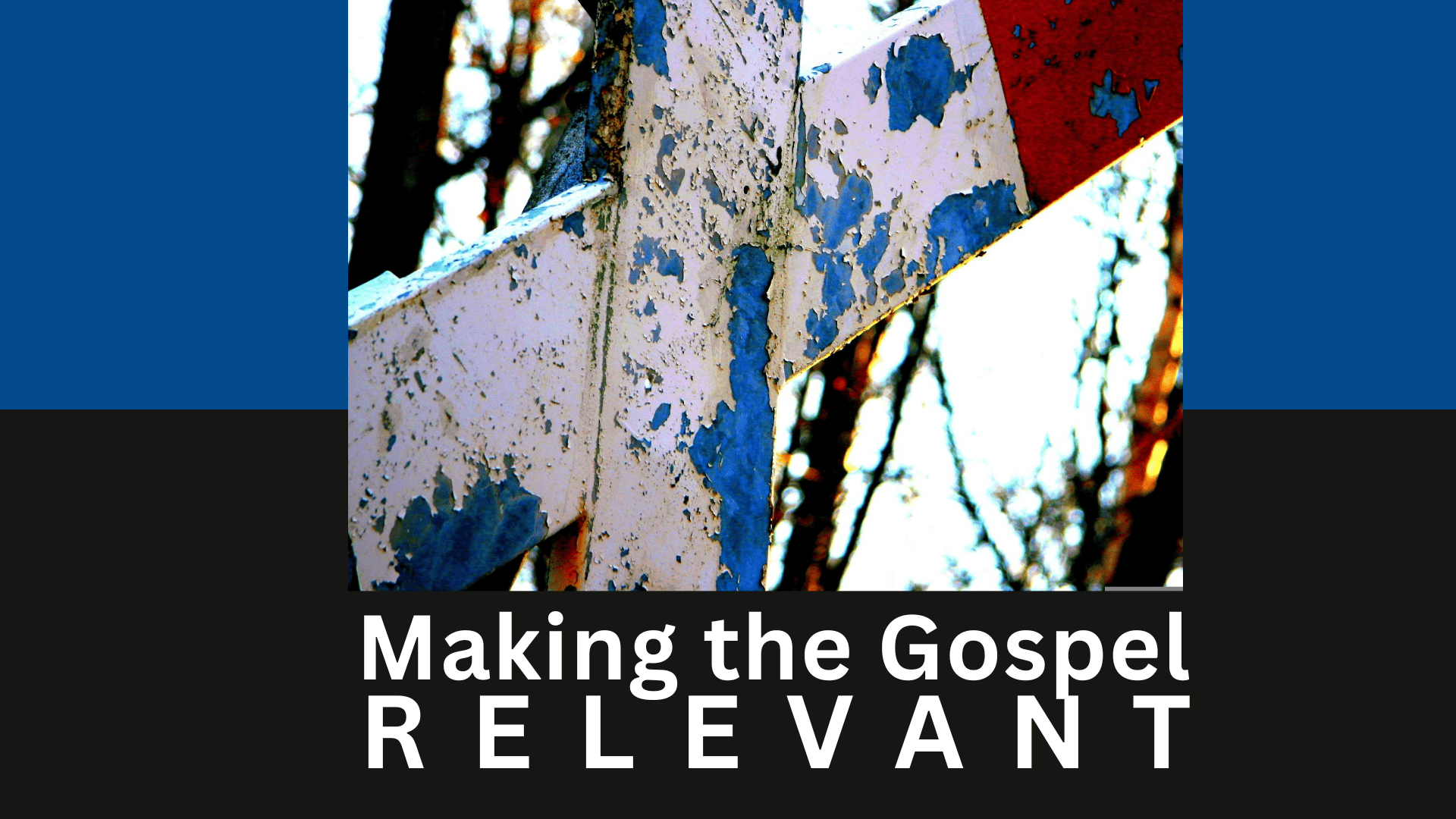
Waiting can be tough
This week, as I wait for biopsy results, my body tells me that—from my clenched teeth to my unsettled stomach, from my ragged breathing to my need to eat crunchy foods. And my mind has a lot to say about it, too. From wild “what ifs” to periods of shut down where my brain seems to go numb.
There are a lot of things in life that keep us waiting, from minor stalls to major events:
- Waiting until I feel better
- Waiting for the weekend
- Waiting for better weather
- Waiting for a time when I’m not so busy
- Waiting for a vacation
- Waiting until this project is done
- Waiting for an acceptance letter
- Waiting to hear about a job or a promotion
- Waiting for a baby to be born
- Waiting until the kids are in school
- Waiting until the house is sold
I’m sure you can add many instances of your own to this waiting list.
Waiting has an uncanny ability to make it seem as if life is temporarily on hold.
Waiting implies a suspension of time: The hours/days/weeks/months seem to elongate, as if time has slowed.
Waiting implies questions: What will happen next? What will I do?
Waiting implies deferring things: Later, when I get past this . . .
During my waiting this week, I was thinking about the opposite of waiting. Deciding? Taking action? Moving forward? And I realized I was thinking of waiting as something separate from living.
I started asking myself a few questions: Are “waiting” and “living” compatible? Do we start living only when the waiting is over? Or is our waiting an integral part of our living? If the latter, then I want to nurture any signs of life that sprout up from this seemingly dead soil of waiting.
Last Thursday I decided to drive over to the Arboretum. (Way better than sitting around my house worrying!) Wow. What great timing. In every direction, I could see new life emerging in the spring flowers and flowering trees, all showing off their vivid blooms. But there were also many trees with bare branches, still in their waiting period.
In her book Wintering, Katherine May reflects on some of the secrets of tree-waiting:
The tree is waiting. It has everything ready. Its fallen leaves are mulching the forest floor, and its roots are drawing up the extra winter moisture, providing a firm anchor against seasonal storms . . . It is far from dead. It is in fact the life and soul of the wood. It’s just getting on with it quietly.
—Katherine May, Wintering: The Power of Rest and Retreat in Difficult Times
What a great reminder that, even during the wait, life is happening. So I look not only to the blooming perennials and flowering trees, but also to the barren trees to learn more about waiting. And I look to scripture to consider how God gives life, even in waiting.
In this week’s Narrative Lectionary reading, while Paul was waiting (!) for his friends Silas and Timothy to join him, he took the opportunity to talk with the locals. I have to say, he certainly knew how to read the room. Lots of people had lots of questions, from the Jewish people in the synagogue, to the people in the marketplace, to the philosophers wanting to know if Paul’s words were “babble or inspiration.” Yet Paul was able to make the core message of Jesus relevant to their interests and experience.
His words about God’s gift of life (Acts 17:24-28) are still powerfully relevant, reverberating through us these many centuries later:
- God gives everyone life and breath.
- God made us to reach out and find God.
- God is not far from any one of us.
- In God we live and move and have our being.
All this emphasis on life! I have to step back for a moment and change my questions about waiting from this perspective: How is “waiting” part of “living and moving and having [my] being in God”?
My head swims at all the philosophical questions. So I come back to what I can touch and feel. I come back to the plants and trees. I know they require at least three essentials for life:
- Water
- Light
- Air
Since we humans need the same, it makes sense to take a look, for a moment, at these humble yet essential elements. How can they shift my stagnant waiting to spirited living?
Water = life
If water is essential to plants and trees and humans, I want to look for sources of water.
These past few weeks have brought some blustery storms to our area. Rain pounding, winds howling, thunder and lightning colliding. Though a little fear-producing at times, I kept thinking, oh, how much the soil needs this rain. From a botanical standpoint, this water is essential. And, it’s awe-inspiring. I won’t go so far as to say I’d like to be a storm-chaser, but I do understand the raw magnetism of seeing these storms up close and personal. To be right there to witness that kind of energy.
Over the weekend I had breakfast at a local restaurant along the Fox River, and I had the chance to see the impact of these storms from a safe distance. The river was running high, the currents were powerful, and the speed was impressive. I was mesmerized by the wild display of energy, even from this vantage point. While the power of rushing water can be unsettling, it is also invigorating.
Then there’s the kind of water that soothes us. The day of my biopsy, they told me I couldn’t shower for 24 hours. And, of course, I immediately longed for a shower. You can probably relate. It’s such a wonderful sensation to let hot water run over your head and shoulders and down your back. To feel surrounded by the warm steam. To let the flow of water cleanse and refresh you.
And then there’s the water we need to drink to keep our bodies hydrated. I experienced a small moment of this gift the other day when a friend brought me a glass of water. She had seen how tired I was, and she offered me a small cup not only of H2O but of love.
And, ultimately, there’s the water Jesus offers us. As he did for the Samaritan woman at the well, he offers us “living water”: “Those who drink of the water that I will give them will never be thirsty. The water that I will give will become in them a spring of water gushing up to eternal life” (John 4:14). Again, at the temple in Jerusalem, Jesus makes the same promise: “Let anyone who is thirsty come to me and drink. Whoever believes in me, as Scripture has said, rivers of living water will flow from within them” (John 7:37-38, NIV).
This offer of water calls me to come, to drink, to know the life-giving energy and love of God. To borrow Jan Richardson’s words, I’ll “follow the trail of water”:
If you want to get a feel for how God cares for God’s people, follow the trail of water [emphasis added] through the scriptures. Wilderness, exodus, baptism, tempest: whether providing water, saving people from it, immersing them in it, or calming it, God uses water as a vivid sign of providence, deliverance, and grace.—Jan Richardson, “The Painted Prayerbook”
Light = life
If light is essential to plants and trees and humans, I want to look for sources of light.
How could I stay indoors any longer? How could I not step outside into the inviting, brilliant sun? Especially after so many months of grayness. Especially after so many days of being “inside” with my worry. On this newly warmed day in April, the sun felt like a gift from the heavens. I stood on my patio, then on the soft earth, and let myself absorb this warm radiance, from the top of my head down to my toes.
Like flowers that turn their faces to the sun, we humans are attracted to light. For me, one of the most luring forms of light is the light cast by wood burning in a fireplace. If you have read my blog post “We Need Light!,” you know a bit about my determination to build a fireplace in my Philly row house. I have always loved the dance of flames, the crackles of logs, the glow of embers. Though I left my fireplace behind when I moved, I am always looking for ways sit in front of a glowing fire. Firelight not only warms my body but delights my spirit.
Ultimately, there’s the light that Jesus offers: “In him was life, and that life was the light of all” (John 1:4); “I am the light of the world” (John 8:12). This is light that shines in our darkest corners, revealing the way to God.
Which brings me to candlelight. On the morning I was scheduled for my biopsy, I was feeling particularly nervous. How much would it hurt? What would they find? What would happen next? I lit one tall candle so I could focus on the intensity of its light. I needed a literal reminder that the light of Jesus would shine on this day, too. I needed this physical light to focus my attention on the promise that I live and move and have my being in God. That I am not alone.
As I think about light, I think of Joyce Rupp’s lovely words about God’s light in each of us:
There is a piece of light in all of us
maybe hidden or buried with pain . . .
One single candle lights a little dark space.
Many candles light a world full of people
desperately in need of each other’s glow.
—Joyce Rupp, “A Piece of Light,” The Cosmic Dance
Air = life
If air is essential to plants and trees and humans, I want to look for sources of air—or more precisely, ways to breathe in the air.
It’s all too easy to take breathing for granted. Until we struggle to breathe. This month I had a nasty bout of bronchitis, and at one point, every breath I took hurt. Breathing triggered coughing, and coughing triggered pain. I’m grateful for the medical treatments available to clear my lungs so I could finally breathe easier. But during those days I was reminded how precious breath is.
Then there’s the joy of breathing in fresh air. This week, I saw a Facebook ad from Pure Michigan that had the heading “For summers made to breathe.” I think that’s part of why we love summer so much: We can breathe! We can get outside and fill our lungs with air that is rich with movement, fragrances, and warmth. Even now, on these early spring days that are a prelude to summer, when I step outside I feel a sense of lightness, of clearing, both in my body and mind, and a restoration of energy.
Have you heard the term “house burping”? It’s a German practice (“luften”) of opening all the doors and windows in your house for 5-10 minutes—even in winter—so the stale air can escape and be exchanged with fresh outdoor air. During these days of waiting, I am making “house burping” a spiritual practice. I am literally opening my doors and windows to feel the air, to feel in a physical way the Breath of the Spirit.
At creation, God breathed life into humanity. After Jesus’s resurrection, he breathed the Holy Spirit on his disciples. On Pentecost, the outpouring of the Holy Spirit was like a wind or breath moving through the people.
While I trust that God’s breath of life didn’t end with creation or on Pentecost, that God’s breath of life is always present, I confess, my breathing it in hasn’t been great—literally and figuratively—during this week of waiting. Sometimes it’s too fast; sometimes it’s too shallow. Other times it feels ragged at the edges.
When I consciously take a deep breath, or sing “Breathe on me, Breath of God,” or do some spiritual “house burping,” it’s a way of letting the stagnant air out and making room for the Spirit’s breath. Breathing brings me back from the unknown “what ifs” to my very present body. It brings me into Paul’s words that God gives everyone life and breath.
At the beginning of this post, I questioned whether “waiting” and “living” were compatible. Now I want to claim my waiting as an integral part of my living. As I breathe, I remind myself that Paul’s message is relevant, that I do live, move, and have my being in God. I choose to embrace life rather than postpone it while I wait. I choose to pay attention to any and all signs of life in my encounters with water, light, and air.
And while I wait for the phone to ring with news about biopsy results, I keep praying this prayer of Ted Loder’s:
Eternal Friend,
grant me an ease
to breathe deeply of this moment,
this light,
this miracle of now.
—Ted Loder, “I Need to Breathe Deeply,” Guerrillas of Grace
—Marcia Broucek, graphic designer for Narrative Alive
I welcome your comments about my reflections. If you have anything you want to share about your journey, I invite you to share your experience in the Comments field below.
= = = = = =
Click here to read more of Marcia’s blog posts.
Click here to see the Narrative Alive graphics and sermon themes for the Narrative Lectionary reading “Paul’s Sermon at Athens.”
All scripture quotations, unless otherwise noted, are from the New Revised Standard Version Updated Edition. Copyright © 2021 National Council of Churches of Christ in the United States of America. Used by permission. All rights reserved worldwide.Scripture quotations taken from The Holy Bible, New International Version®, NIV®. Copyright © 1973, 1978, 1984, 2011 by Biblica, Inc. Used with permission of Zondervan. All rights reserved worldwide. www.zondervan.com
Hazel says:
Thank you for a lovely reflection
Marcia Broucek says:
Hazel, i so appreciate your comment and support!